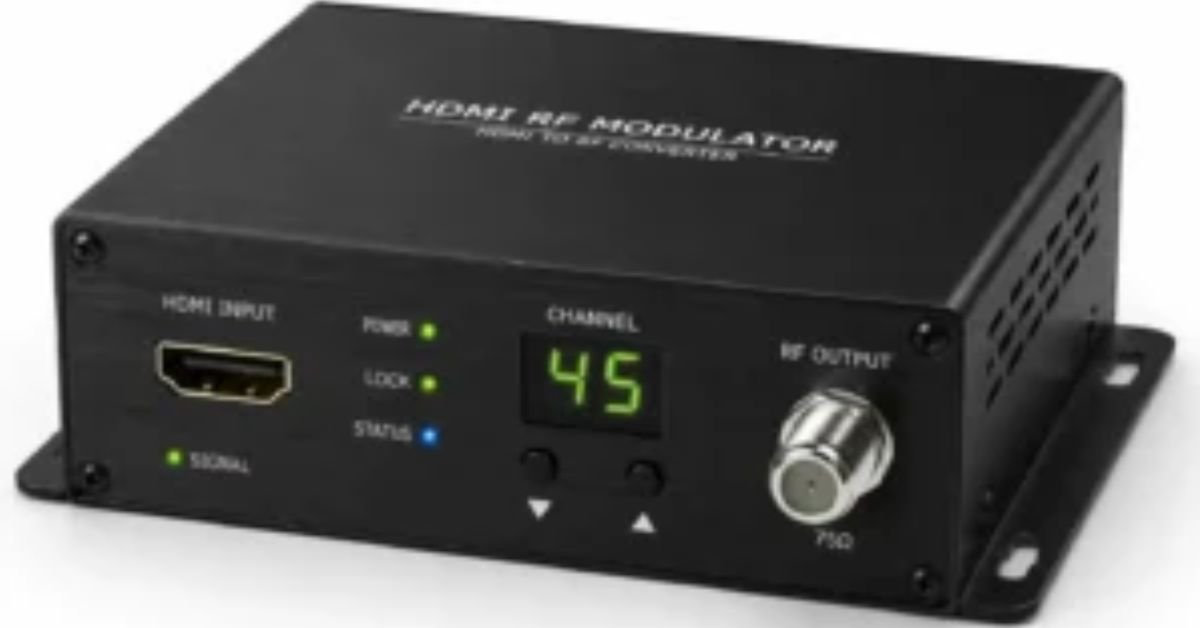
Choosing the Right HDMI RF Modulator with High Alumina Density Materials
When choosing the right HDMI RF modulator, it is not just about technical specifications. Features such as resolution, channel output and compatibility can be a factor, but the materials used inside the device can make a huge difference in its performance and longevity.
Alumina density is one of the most critical properties of materials, and it directly affects the signal stability, durability and thermal management.
Today’s HDMI RF modulators should be capable of constantly functioning in challenging settings, like in hotels, hospitals, schools, supermarkets, and broadcasting studios. To meet these expectations, manufacturers are increasingly using high-quality ceramic substrates, advanced PCB Materials, and innovative circuit board technologies.
How Material Quality Impacts HDMI RF Modulator Performance
In the comparison of various HDMI RF modulators, many purchasers concentrate merely on their external attributes. But the interior structure is what makes the device perform in the long term.
A unit constructed from top-quality materials will not have high thermal stress, consistent signals and will not have hardware issues after years of continuous use. The ceramic components have a high alumina density, which enables them to conduct heat better and more efficiently, and also helps protect sensitive circuits from overheating.
While it’s easy to go with the cheapest option, this may lead to increased maintenance expenses and decreased lifespan of the equipment. Improved materials yield greater reliability and lower chances of failure.
Essential Features to Look for in a Reliable HDMI RF Modulator
When buying an HDMI modulator, test each one for technical performance and quality. The reliable product should provide a balance of performance, durability and efficient thermal management.
Some important features include:
- Full support for high-definition video output.
- Effective heat dissipation using high-quality PCB Materials.
- High alumina content durable ceramic components.
- Long-distance, stable RF signal transmission.
- Built to withstand continuous commercial use.
These features contribute to stable operation even under challenging operating conditions.
How Advanced PCB Technology Improves Device Reliability
The printed circuit board is the guts of each HDMI RF modulator. It brings all the electronic components together into a single efficient system: processors, amplifiers, voltage regulators and other components.
High-Performance PCB Materials
Premium PCB Materials offer greater thermal stability, lower levels of electrical interference, and enhanced support for sensitive components.
Benefits of Rigid Flex PCB
In modern manufacturing, Rigid Flex PCB technology is used more and more, due to its ability to integrate both rigid and flexible circuit sections into a single compact design. This helps to increase durability and decrease internal wiring.
Better Heat Control
These high-alumina designs combined with advanced circuit board designs promote more even heat distribution, aiding electronic components to run at safe temperatures during extended operation.
Common Mistakes to Avoid When Buying an HDMI RF Modulator
Choosing the wrong quality material for an HDMI RF modulator can result in futile maintenance and reduced equipment lifespan.
The most common purchasing errors are:
- Selecting the least expensive quote without considering construction quality.
- Lack of thermal management awareness.
- Taking into account the contribution of ceramics to device reliability.
- Just looking at resolution and not durability.
- Buying equipment with lower quality PCB parts.
If you can avoid these pitfalls, your investment will be much more profitable.
Why Premium Materials Deliver Better Long-Term Value
The real price of an HDMI RF modulator is not just the purchase price. Reliable equipment runs for many years without failure and minimises maintenance costs.
Parts and components within high-density ceramic materials maintain stability over long operating periods thanks to their resistance to heat, vibration and environmental stress. This also minimises the need for printed circuit board repair, since better materials are less likely to suffer from heat damage or structural failure.
The higher quality equipment may lead to lower operating costs over the equipment’s life cycle, especially for organisations that strive for continuous video distribution.
Future Innovations in HDMI RF Modulator Manufacturing
Demand is steadily increasing for high resolution, and HDMI RF modulators will need to handle more data and remain stable. Manufacturers are reacting by developing new cooling solutions, improved ceramic substrates and new circuit board technology.
The high alumina density will remain important as it enables efficient thermal management without making the devices too large. Meanwhile, advances in Rigid Flex PCB technology and next-generation PCB Materials will support manufacturers in delivering more reliable products that are smaller and support increasingly complex applications.
These innovations will be part of enhancing the efficiency and life of equipment in commercial and industrial settings.
Selecting an HDMI RF Modulator for Lasting Performance
When it comes to selecting the right HDMI RF modulator, it is crucial to take into account not only the specifications, but also the quality of the materials employed in the manufacturing process. The higher the alumina density, the more it will dissipate heat, enhance the strength of ceramic substrates and ensure reliable performance over the life of the device.
When paired with high-quality PCB Materials, state-of-the-art Rigid Flex PCB technology and strong, durable electronic construction, these materials can help reduce the need for printed circuit board repair and maintenance requirements.
From equipment for commercial broadcasting, hospitality, education, and digital signage, to name a few, a well-built HDMI RF modulator offers more reliability, efficiency and value.