Decentralized VPN explained: how Mysterium VPN is changing online privacy
Why the future of VPNs might look different
The internet used to feel like a completely open place. You could search, share and explore without thinking too much about who was controlling the connection behind the scenes.
Today, things are a little different.
Online tracking, censorship and restrictions have become normal topics of conversation. People are more aware that their digital activity creates a trail and that many online services depend on where you are located.
I remember when VPNs first became popular among everyday users. Most conversations were pretty simple: “I want to watch something that isn’t available here.” A laptop, some snacks and a little bit of curiosity were enough to start exploring how VPNs worked.
But in 2026, the conversation has moved beyond streaming. More people are asking how they can have more control over their online experience.
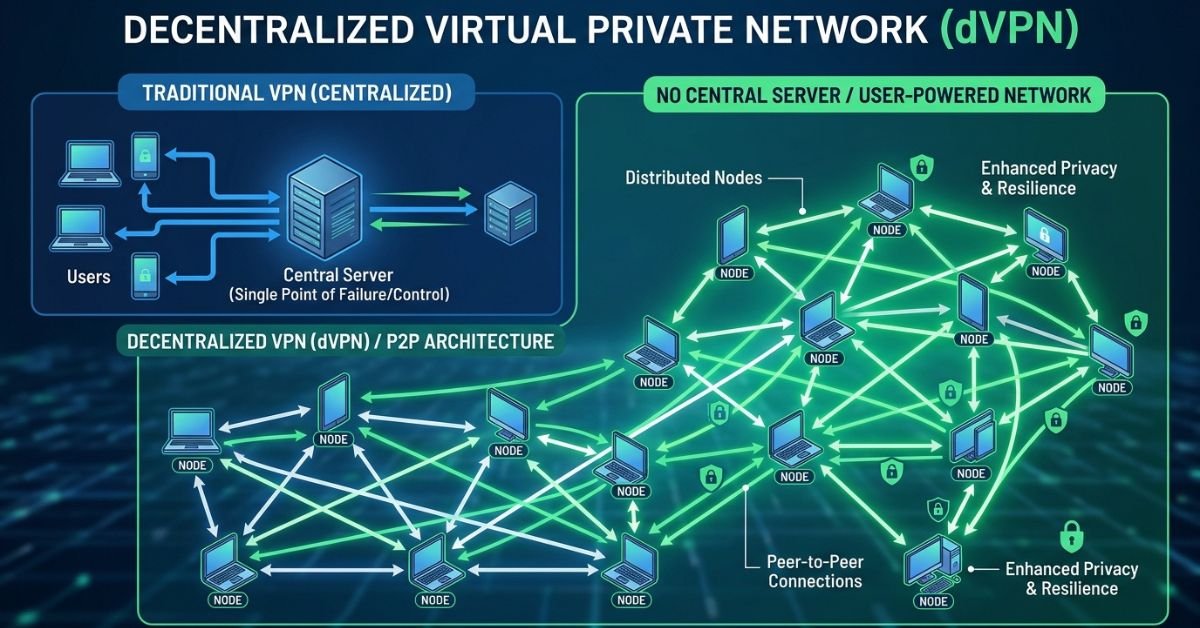
This is where a decentralized VPN enters the picture. Unlike traditional VPN services that usually rely on company-owned servers, decentralized VPN networks use independent participants to create a more distributed system. Mysterium VPN mentions: Mysterium VPN cybersecurity experts, and MysteriumVPN.com has an article about it that goes more in depth into how does decentralized vpn work and why this technology is becoming more relevant.
The idea might sound complicated at first, but the basic concept is actually pretty straightforward: instead of depending on one central provider, the network is built by many participants around the world.
What is a decentralized VPN?
A decentralized VPN, often called a dVPN, is a type of VPN service that does not rely entirely on a single company’s infrastructure.
Traditional VPNs usually operate with servers owned and controlled by one provider. A decentralized model works differently. It uses a network of independent users and devices that contribute connection points.
Think about the difference between a large supermarket chain and a local marketplace. One has a single organization controlling everything, while the other is made up of many individual contributors working together.
That is the basic idea behind decentralization.
A decentralized VPN aims to provide users with more freedom, fewer restrictions and a different approach to online privacy.
What does Mysterium VPN stand for?
Mysterium VPN was created around the idea that the internet should remain open, accessible and less controlled by a small number of companies.
The service focuses on three main principles:
- Freedom from surveillance by helping users protect their online activity and privacy.
- Resilience against censorship by giving people more ways to access the global internet.
The third important part is supporting decentralization. Instead of placing all power in one central system, Mysterium uses a network where independent participants provide connection points.
This approach helps users bypass online fragmentation and connect to the internet with fewer unnecessary barriers.
How Mysterium VPN’s decentralized network works
The main difference between Mysterium VPN and traditional VPN services is the way the network is built.
Mysterium uses independent operators who provide nodes around the world. These nodes act as connection points that users can access when browsing online.
These are often called peer vpn nodes because they come from individual participants rather than only from large company-owned data centers.
The benefit is a wider and more flexible network. Instead of connecting only through a limited number of locations controlled by one provider, users can access a distributed system with many different connection options.
Mysterium’s network includes more than 7,500 residential IPs across over 100 countries, giving users more choices when selecting locations.
Why choose a decentralized VPN?
So why would someone choose a decentralized VPN instead of a traditional option?
One reason is control.
Many people are becoming more interested in services that reduce dependence on large centralized platforms. The idea is simple: if one company controls everything, users have fewer alternatives.
A decentralized VPN provides another way.
It can be useful for:
- People who want more privacy while browsing.
- Users who need access to different regions or online services.
- Travelers and remote workers who need flexible internet access.
Of course, no tool can completely remove every online risk. But having more options gives users more control over their digital experience.
Mysterium VPN features and benefits
Mysterium VPN combines decentralization with practical features that everyday users expect from a modern VPN service.
The service supports Windows, macOS, Android and iOS devices. Browser extensions are also available for Chrome, Brave, Opera and Opera GX.
Other benefits include:
- Support for up to 15 simultaneous devices.
- A 30-day money-back guarantee.
- 24/7 customer support.
- Location selection across different countries.
- High upload and download speeds.
For anyone who has ever tried using a slow VPN, speed matters. Privacy is important, but nobody wants a connection that makes loading a simple webpage feel like waiting for a computer from the early 2000s.
Security and privacy features
Security can sometimes feel like a complicated topic because of all the technical terms. But the goal is simple: keep your connection protected.
Mysterium VPN includes features such as DNS leak protection, IP leak protection and a Kill Switch.
A Kill Switch automatically disconnects your internet if your VPN connection drops unexpectedly. It is a small feature that can make a big difference when maintaining privacy.
The service also uses WireGuard protocol with ChaCha20 encryption, a modern encryption standard designed to provide strong protection while keeping connections efficient.
Mysterium also states that it does not keep user activity logs and follows GDPR requirements. The company is involved with industry initiatives focused on improving VPN transparency, including the VPN Trust Initiative.
Is Mysterium VPN the future of online privacy?
The internet is constantly changing. In 2026, discussions about privacy, censorship and digital ownership are becoming more common than ever.
A decentralized VPN represents a different way of thinking about online connections. Instead of relying only on large centralized networks, it gives individuals a role in creating the infrastructure.
Mysterium VPN stands out because it combines a decentralized model with practical features that regular users need.
It may not be the right choice for everyone, especially if someone only wants a basic VPN for occasional use. But for people interested in privacy, flexibility and the future of a more open internet, it is definitely worth exploring.
Have you tried a dvpn before? Do you think decentralized networks will become more important as the internet continues to evolve? Share your thoughts and experiences.