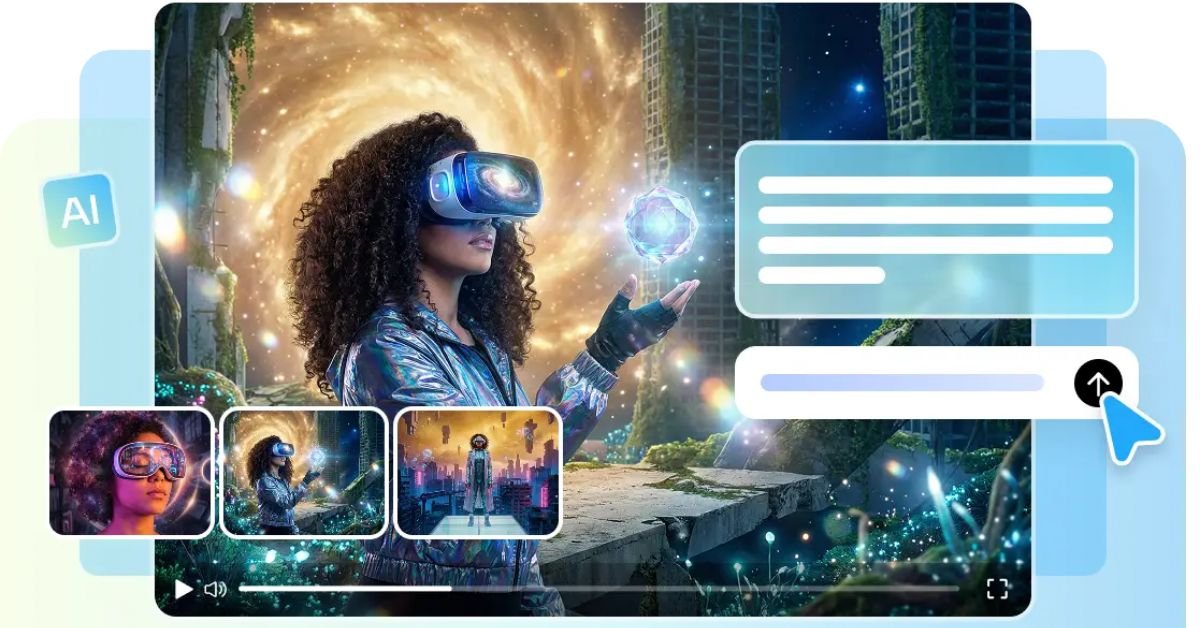
Transform Written Briefs into Visual Content via an AI Video Generator
Often, a written brief will describe the outcome but may not accurately convey the visual outcome. Instructions can be interpreted differently by production teams, which can cause inconsistencies in production. Visual material is more effective in conveying ideas and is more captivating to the audience. Video production helps to convey messages to the audience.
Pippit does this by converting written ideas into visual and animated ideas. It incorporates technology that helps you create content efficiently and mitigates communication barriers. It’s a wonderful method to assist thoughts to flow from conception to impactful visuals.
The Evolution from Static Instructions to Dynamic Visual Narratives
Typically, a traditional creative brief consists of lengthy explanations and subjective interpretation. Different interpretations of instructions can cause delays and revisions as different stakeholders interpret them differently. Communication breakdowns are often a problem for production teams, as they can cause inconsistencies and poor visual quality. The challenges can be minimized through intelligent visualization of content using modern technology. An AI video generator can effectively convert text instructions into visual narratives.
This automated approach can help to streamline production and ensure it remains on track with its original objectives. Streamlined workflows, improved collaboration, and a more consistent creative process throughout the project are all advantages for content creators.
Structuring Written Briefs for Better AI Video Outputs
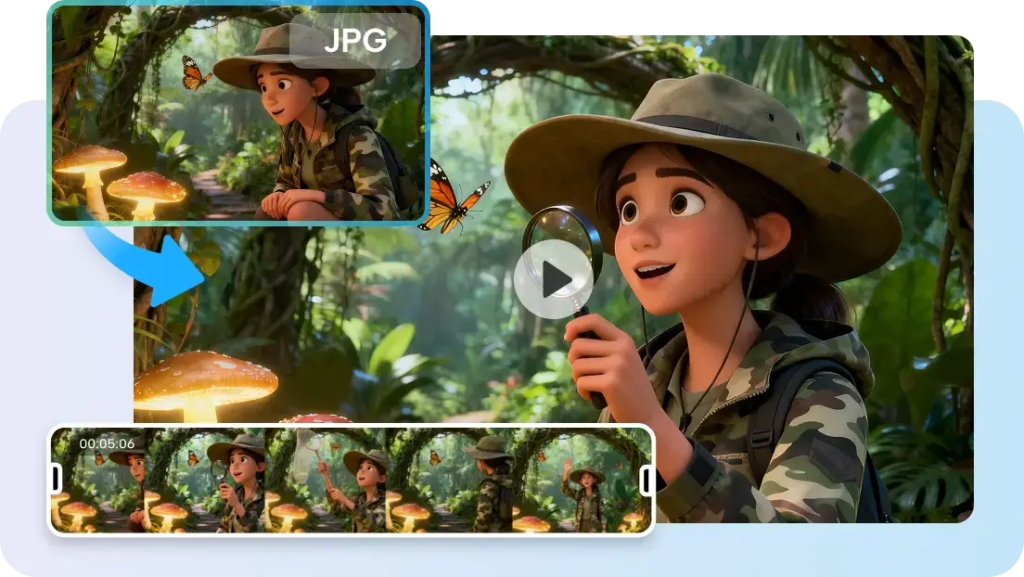
Clear, concise briefs with well-defined goals are the foundation for good outcomes. Clear messaging helps set direction and enhance content accuracy. The visual styles and expectations of an audience guide to more appropriate creative results. Detailed prompts provide background information to assist with scene creation and the story’s flow. Pippit takes these instructions and creates visuals that are relevant to the desired objectives. Specific creative direction to reduce ambiguity and increase consistency in sequences generated. Every scene created can be used to achieve broader communication goals effectively.
Turning Text-Based Concepts into Engaging Visual Sequences
Descriptions are more effective when they are translated into a series of images that tell a story. Pippit translates thoughts into scenes, which are arranged in logical order. Each segment builds on the one before it, holding viewers’ attention. When writing descriptions, emotions influence pacing, visuals, and presentation style. Additionally, an AI character can help in the storytelling process by conveying its emotions through visual cues. Sequences are well organized so that the audience won’t be confused in comprehending the message. In this way, important experiences for viewers are created, and the original concept is preserved.
Steps to Transform Written Briefs into Visual Content via an AI Video Generator
Step 1: Convert Your Brief into a Creative Prompt
- Sign up for Pippit and access the platform.
- Go to the “Video generator” section from the dashboard.
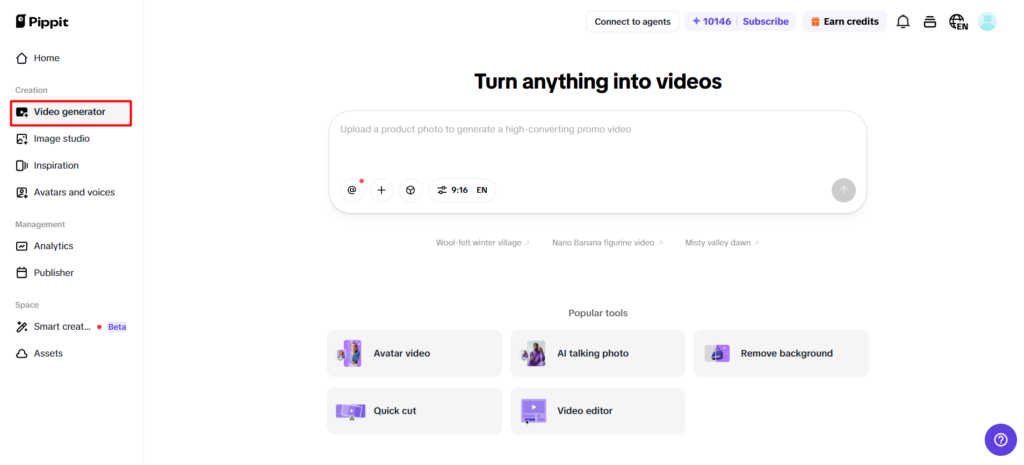
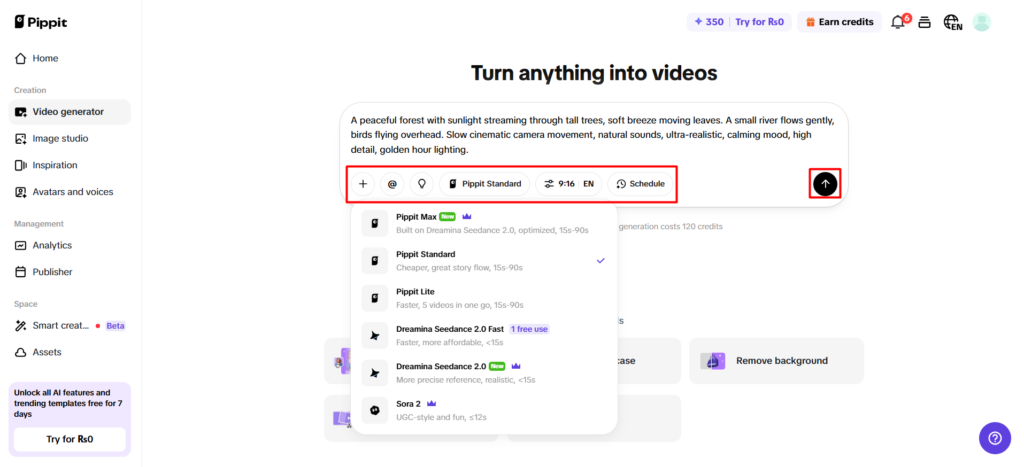
- Select an AI model, including Dreamina Seedance 2.0, Pippit Standard, Pippit Max, or Pippit Lite.
- Enter a detailed text prompt based on your written brief and describe the desired visuals.
- You can also define the video length, language, subtitles, and aspect ratio before generation.
- Click “+” to upload supporting images or videos from your device, phone, Dropbox, or a link. If you do not have media, choose assets from the platform.
- Click “Generate” to proceed.
Step 2: Turn the Brief into Video Content
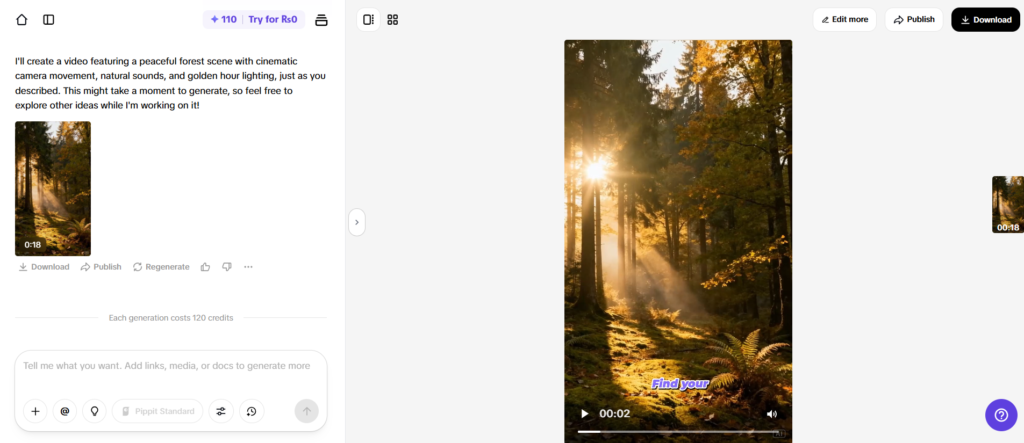
- Once you click “Generate”, Pippit’s AI video generator transforms your written instructions and reference media into a video.
- The AI automatically handles transitions, pacing, captions, avatars, voice, lyrics, and visual enhancements.
- Several video drafts are generated for evaluation.
Step 3: Polish and Export the Final Video
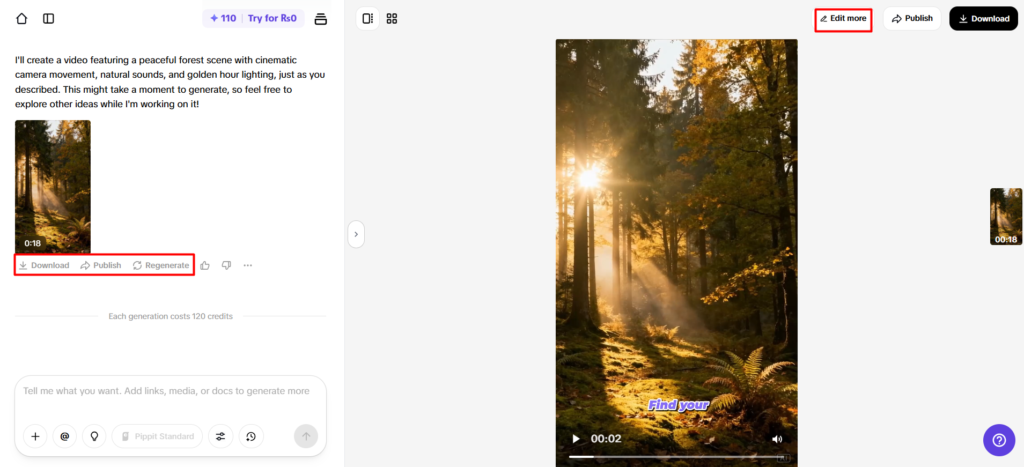
- Use the “Download” tab beneath the video to save the draft immediately. If needed, select “Regenerate” for a new version. Click “Edit more” in the top-right corner to access additional editing tools.
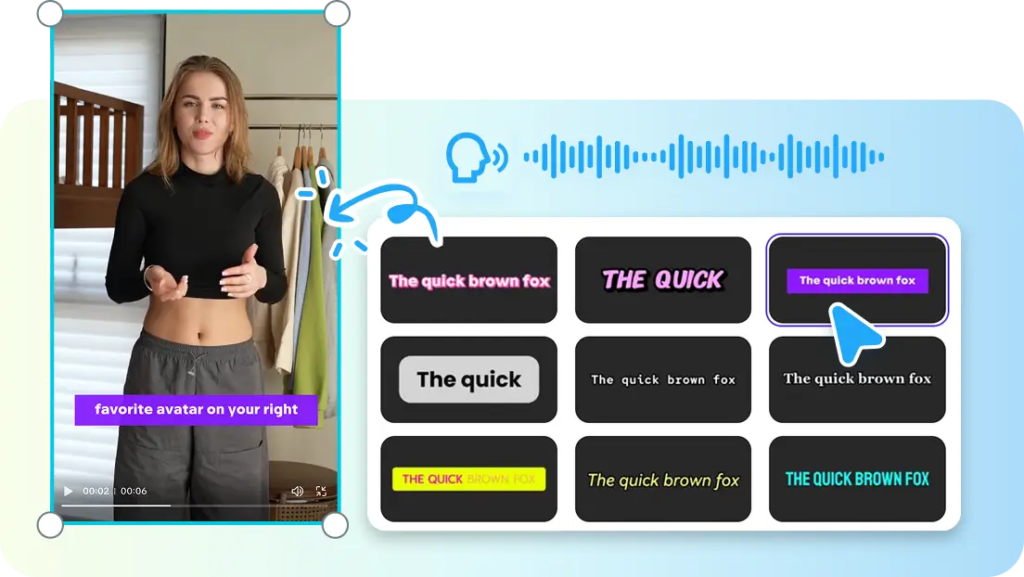
- Modify captions, insert text, and adjust color, size, alignment, filters, and effects.
- Add music, remove backgrounds, and improve visual details as needed.
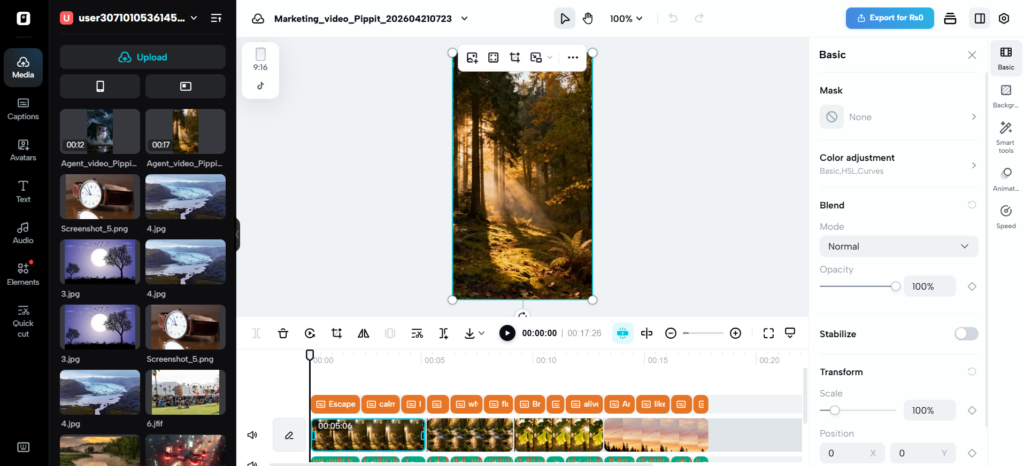
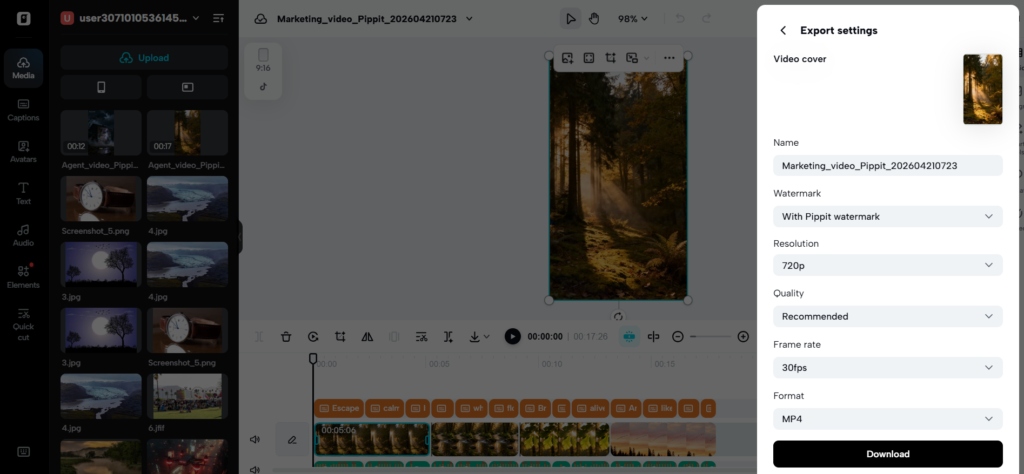
- Click “Export” when the video is complete.
- Choose “Publish” to post directly to TikTok, Instagram, or Facebook, or select “Download” to save the file with your preferred settings.
Using AI Models to Improve Visual Interpretation Accuracy
The creative abilities of various generation models vary, as do their visual features. Having the correct models for the project objectives will make a big difference in the output quality. Dreamina Seedance 2.0 is capable of handling content rich in visuals for short-form storytelling and animated movies. Pippit Standard, Lite, and Max models are suitable for a variety of promotional and marketing applications. Selecting suitable models encourages links between ideas and images created. Prompt refinement further enhances relevance by offering style, tone, and content priorities. This combination improves the accuracy of interpretation and keeps in line with the original creative targets.
Key Elements That Strengthen Brief-to-Video Conversion
Brief-to-final visual accuracy is enhanced, and the link between brief and final content is more robust, by several factors:
- Clear Objectives: Have a clear main goal, then create content towards it.
- Focused Outcomes: Provide a focused purpose for communication to visual development.
- Audience Context: Include viewers’ views, interests, and expectations.
- Visual Direction: Specify the desired visual aesthetics, theme(s), and presentational styles.
- Content Hierarchy: Determine and prioritize information according to importance and relevance.
- Tone Consistency: Establish emotional tone and communication style from the beginning.
- Creative References: Provide supporting assets where appropriate material is available.
- Improved Accuracy: Make more interpretations with more contextual guidance.
Refining Generated Videos for Greater Impact
Some development of the drafts generated by the generator may be necessary before publication. Scenes should be arranged in a natural sequence and be interesting to the viewer. Better transitions make for smoother flow between ideas and enhance storytelling. Captions help to make the text easier to read and strengthen messages. Visual hierarchy enables the viewer to easily determine what information is most important. Changes in music, effects, and pacing can really help enhance emotional engagement. The end product and the original brief goals are congruent through thorough refinement. Pippit’s editing capabilities enable these improvements to be achieved with ease, without requiring a high level of technical skill.
Future Possibilities of AI-Powered Brief Visualization
Brief visualization technology is continuously developed to meet the needs of creative production. The faster the generation, the sooner a campaign can be started, and the shorter the development cycle. Content teams can efficiently deliver high-quality production at scale. Lowering the technical hurdles enables a wider audience to create visual content. Organizations are more flexible when creating multilingual resources to address a diverse audience. The demand for industry and platform communication continues to rise, and advanced automation is helping meet it. With advances in technology, visual storytelling will become more accessible, efficient, and effective for creators worldwide.
Conclusion
Turning written ideas into captivating videos enhances interaction, effectiveness, and engagement. Dynamic imagery is more effective in communicating complex ideas than words alone. Pippit eliminates the pain of transforming written briefs into polished visual experiences with streamlined creation workflows. Graduated prompts and considerate editing lead to improved results within the context of clear teaching. With the ongoing growth of visual communication, speedy creative execution will remain crucial. These days, the process of turning ideas into engaging stories, making them clear and consistent, and getting them professionally done is streamlined with modern content creation platforms.