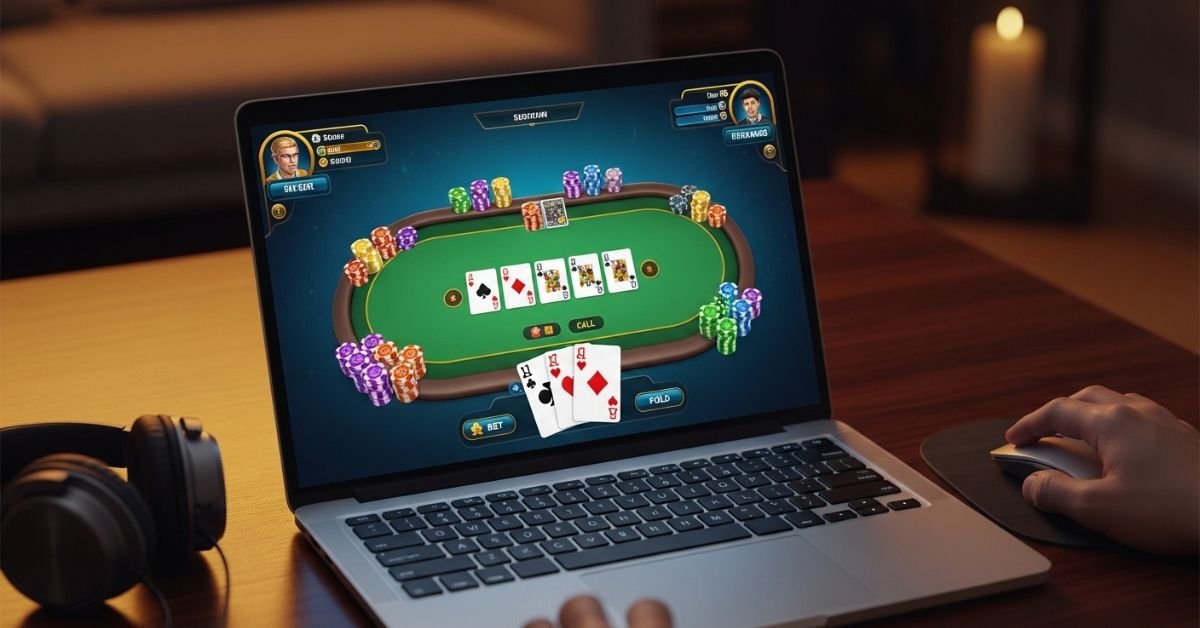
Transforming Online Poker Through Community Engagement
Online poker has a reputation problem. For years, it meant sitting alone at a virtual table, grinding hands against strangers with no conversation and no real connection. That image isn’t entirely wrong – but it’s becoming less accurate by the month. A new generation of platforms has started treating the social side of poker games as seriously as the cards themselves. Regardless of whether you play texas hold em, omaha, or anything in between, these platforms are building something traditional sites never bothered with: an actual community.
What Community-Driven Poker Platforms Actually Are
It’s important to understand what separates a community-driven platform from a standard poker room. It’s not just a chat box bolted onto a cash games lobby. These platforms build social features – clubs, leagues, shared challenges, player profiles – directly into the core experience. The poker game itself is still central, but so is the layer of human connection around it.
Traditional rooms asked one question: how do we deal hands quickly? Community platforms ask a different one: why would a player want to come back tomorrow? That shift in thinking changes everything, from how poker tournaments are structured to how free poker options are used to bring in newcomers.
Takeaway: Community platforms don’t just host poker games. They build environments where players return for the people, not just the pots.
The Shift from Solitary to Interactive Play
For most of online poker’s history, efficiency was the goal. Get players seated fast, keep the action moving, process as many hands as possible. That model worked for serious grinders in cash games – but it left casual players cold.
The shift started small. Basic friend lists. Simple chat. Then platforms got more ambitious. Private clubs let groups of friends build their own poker rooms with custom rules. Leaderboards gave players something to chase beyond the pot in front of them. Missions and achievements turned individual sessions into shared journeys.
Free poker played a key role here too. Giving newcomers a risk-free way to join a community – to practice their poker strategy without financial pressure – lowered the barrier to entry dramatically. It’s the same reason free-to-play mobile games dominate: you get people through the door first, then let the experience do the work.
Participants on community-focused platforms return more often and stay longer. That’s not a coincidence – it mirrors exactly what happened in other gaming genres when multiplayer became the norm. Poker is catching up.
Takeaway: The move toward interactive play isn’t a gimmick. It’s a response to what actually keeps players engaged over the long term.
Key Features That Define the Best Community Platforms
So what does this look like in practice? The strongest platforms share a recognizable set of priorities. Here are the features that tend to matter most:
- Private poker clubs – friends and groups can create their own tables with custom buy-ins and rules
- Real-time chat and emoji reactions – personality and humor at the table, even online
- Community leaderboards – rankings within your group, not just a global list you’ll never top
- Shared missions and challenges – reasons to play that go beyond the individual poker game
- Player profiles and stats – so others can follow your progress and you can follow theirs
- Live streaming integrations – top players broadcasting sessions to their followers
- Beginner mentorship – pairing new players with experienced community members
Each of these features serves the same goal: giving you a reason to care about more than the hand you’re currently playing. When you’re on a leaderboard with your friends, every session carries extra weight. When your club runs weekly poker tournaments, you start building real relationships – not just results.
Texas hold em benefits enormously from this. It’s already a poker game built around reading people and building table dynamics. Community features amplify that in a digital setting. Omaha players gain something different – the variant’s complexity makes shared poker strategy resources and community learning especially valuable when you’re trying to improve.
Takeaway: The best community features don’t distract from the poker game – they deepen it.
Platforms That Are Getting This Right
Looking at real examples makes this concrete. Several major operators have made community building central to their strategy – and the results show it.
PokerStars built its reputation over 20 years partly through genuine community investment: forums, poker strategy content, and social poker tournaments that gave beginners a real entry point. Free poker options alongside real-money play helped them attract a wider, more diverse audience. That approach created loyalty, not just sign-ups.
BetMGM has taken a similar path – building poker tournaments and promotions designed to get players engaging with each other rather than just grinding solo cash games. Shared events create shared memories, and shared memories bring players back.
GGPoker has pushed furthest in this direction. Social features, player-versus-player challenges, and community missions turn the poker game into an ongoing experience rather than a series of disconnected sessions. Competitive rakeback deals reward loyal players across both cash games and poker tournaments, making regular participation genuinely worthwhile. Visit online poker to see how that community-first design actually feels in practice.
The wsop partnership adds something else entirely: aspiration. The world series of poker is the most recognized poker tournament brand on the planet. Bringing that into an online community gives players something meaningful to work toward together. Texas hold em events tied to that brand draw massive participation, and the rakeback structures attached to those poker tournaments make them even more attractive to regular players.
What these platforms share is a deliberate decision to invest in social infrastructure – not just game mechanics. Rakeback programs and free poker options work alongside community tools to keep players engaged at every level. That investment shows up in retention, which is the metric that matters most in a competitive market.
Takeaway: The platforms winning on community aren’t doing it accidentally. It’s a strategic choice, and it’s paying off.
Where Online Poker Is Heading
The direction here is clear. Community features are moving from optional extras to baseline expectations. Younger players – raised on deeply social digital environments – won’t settle for a poker game that feels like a spreadsheet with cards.
Mobile is accelerating this. As more players access poker games through their phones, the design language of mobile-first social gaming is bleeding into poker. Daily missions, short-form challenges, friend-versus-friend competitions, social notifications – these are becoming standard, not novelties. Texas hold em is driving most of this mobile growth, though omaha is gaining ground as players develop their poker strategy and look for new challenges.
Casual and recreational players will fuel much of the market’s growth over the next few years. For that audience, the community IS the product. Free poker serves as the entry point – letting newcomers experience the poker game environment before moving to real money. Playing poker online real money is increasingly wrapped in community contexts – clubs, group leagues, shared celebrations – so the experience feels less transactional and more like belonging somewhere.
Regulatory expansion matters here too. Online poker is currently legal in six U.S. states – Delaware, Michigan, Nevada, New Jersey, Pennsylvania, and West Virginia – and that number is likely to grow. Community platforms are best placed to welcome those newcomers and turn them into long-term participants rather than one-time sign-ups.
Common Questions About Community Poker Platforms
What makes a poker platform “community-driven”? Essentially, it’s about whether social interaction is built into the design or tacked on as an afterthought. Private clubs, leaderboards, chat tools, shared missions, player profiles – these features make connecting with others easy and rewarding. The best platforms layer these tools across poker tournaments, cash games, and free poker options to serve players at every level.
Are these platforms good for beginners? Genuinely, yes – often better than traditional rooms. Mentorship programs, beginner clubs, and a supportive social environment make learning far less intimidating. Free poker modes let newcomers practice texas hold em and build their poker strategy without financial risk. Learning alongside others is simply easier than figuring things out alone.
Can you play for real money? Absolutely. Most community-focused platforms offer real-money poker games and poker tournaments alongside their social features. Look for platforms that also offer rakeback – it rewards regular play and adds long-term value to your poker game experience. The community elements enhance the competitive core rather than replacing it.
How do these platforms compare to traditional poker rooms? Traditional rooms optimize for game mechanics and volume. Community platforms add a social layer that increases engagement, encourages return visits, and makes the experience genuinely enjoyable for recreational players. Free poker options, shared poker strategy resources, and community poker tournaments give you far more reasons to stay engaged beyond any single poker game.