
Labradoodle Puppies: What Families Should Expect
You can expect a Labradoodle puppy to be playful, affectionate, and curious. They need training, grooming, and social time, and while they bond closely with you, they can also test your patience early on.
It’s easy to see why so many pet owners fall for these oodle puppies at first sight. One look at those big eyes and the teddy bear face, and you might already start to picture lazy Sunday cuddles on the couch.
That’s exactly why we started www.oodlepups.com.au. We breed multi-generational Australian Labradoodles with a focus on health, temperament, and happiness for both pups and their families.
But because Labradoodles are a poodle crossbreed, each puppy will inherit a unique mix of traits. This includes differences in coat type, energy levels, and temperament. Not understanding this will only set you up for unrealistic expectations.
In this guide, we’ll share realistic expectations, common challenges, and the genuine joys of raising an oodle dog. Let’s start by looking at what makes Labradoodles unique.
Contents
What You Should Know About Labradoodles: Temperament, Traits, and Training
Labradoodles combine the friendly nature of a Labrador with the intelligence of a Poodle. But their traits can vary quite a bit depending on their genetic background.
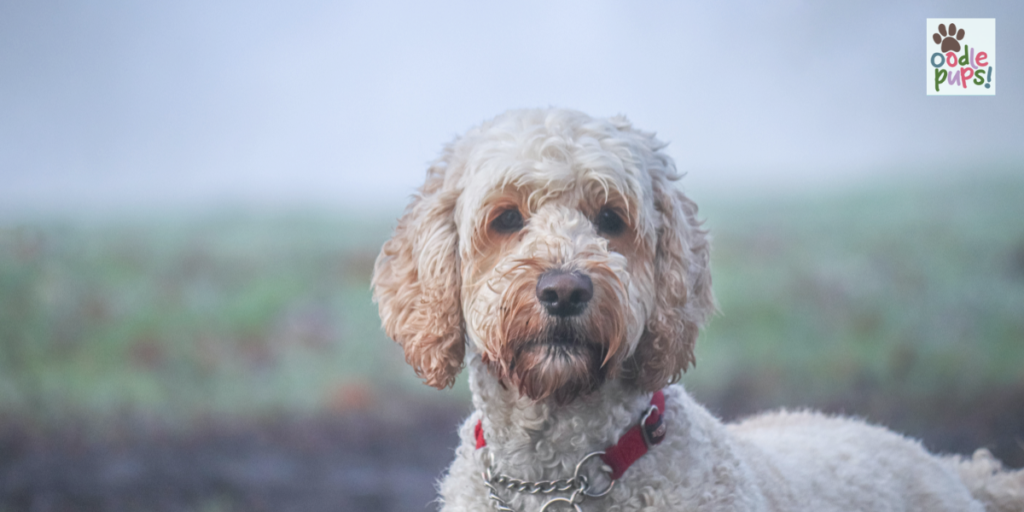
Here’s what you need to know so you can prepare properly.
The Genetics Behind Labradoodles
Most people assume Labradoodles are simply a Labrador Retriever crossed with a Poodle. But over the years, many breeders have introduced Golden Retriever and Cocker Spaniel into their breeding lines as well.
These extra genes affect a puppy’s size and personality. For example, a pup with Cocker Spaniel heritage might be smaller and a bit more sensitive to loud noises. A puppy with Golden Retriever genes often grows up calmer and more patient with children.
Even the coat can look completely different depending on which genes come through strongest.
Energy Levels, Intelligence, and Behaviour
Labradoodle puppies are highly intelligent, which sounds wonderful at first. But smart dogs get bored very quickly, and bored dogs tend to find their own entertainment. Usually, that means chewing your favourite shoes or barking at absolutely nothing.
A simple daily walk also won’t be enough for most Labradoodles. They will need mental stimulation as well, through puzzle toys, training games, and plenty of social time with other dogs and people.
Without these activities, your Labradoodle can develop problems like separation anxiety. So before you adopt, take a good look at your lifestyle and ask yourself: Can I keep up with an energetic, clever dog who needs my attention every day?
Coat Types and Grooming Expectations
Labradoodles come in three main coat types: wool, fleece, and hair.
Wool and fleece are usually low-shedding coats, which many families love. Hair coats, however, shed more than a purebred Labrador would. Because of this, not every Labradoodle will be suitable for families with allergies.
So here’s a reminder: the word hypoallergenic is a bit misleading because it means fewer allergens, not zero allergens. Because no dog is completely allergy-free.
You’ll also need to groom any coat type regularly, about every four to six weeks, to keep it healthy and tangle-free. If you skip these sessions, mats can form quickly. These mats are painful for your puppy and expensive to remove (some groomers charge $100/hour) at the groomer.
Choosing and Caring for the Right Labradoodle
Finding the right Labradoodle starts with your understanding of the breed. This includes understanding the type of oodle, the breeder’s reputation, and whether your home will suit their needs. We’ll share some practical tips to help you decide.
Australian Labradoodles vs. Other Oodle Dogs
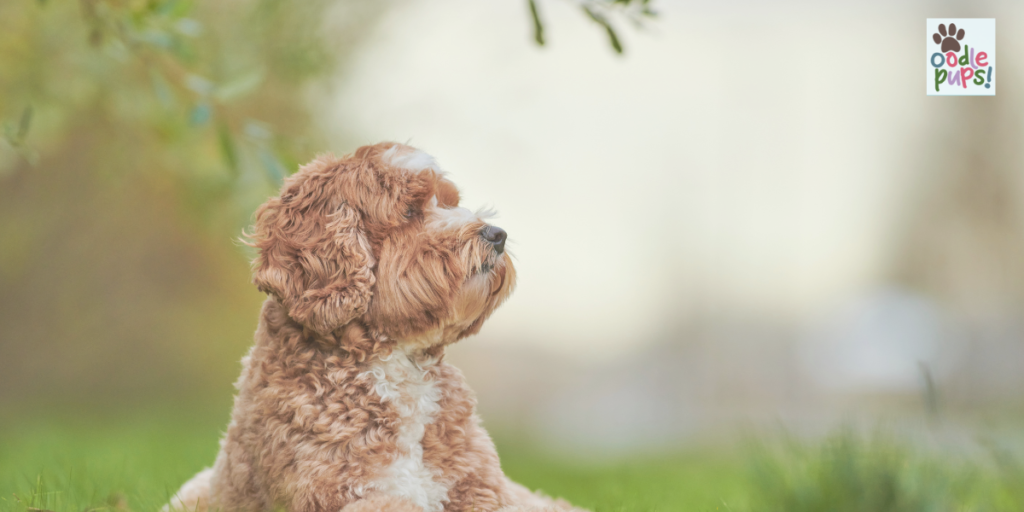
You might have noticed the term “Australian Labradoodle”, and wondered how it differs from a regular Labradoodle.
The main difference comes down to generations of breeding. Australian breeders have carefully bred Labradoodles for many generations, so you’ll find their temperament and coat type much more predictable.
Standard Labradoodles, on the other hand, are usually first or second-generation crosses. This means their size, coat, and personality can vary quite a lot, even within the same litter.
We often notice that families with young children or allergies prefer Australian Labradoodles for their predictability. Other oodles, like Groodles or Cavoodles, are good for smaller homes or families looking for a lower-energy, apartment-friendly dog.
What to Ask a Breeder Before You Buy
A good breeder will happily answer all your questions because they have nothing to hide. Dodgy operations, however, will rush the sale or give you vague responses. So before you hand over any money, take your time and do some homework first.
Based on our experience working with families, here are some questions you should always ask:
- What health testing have the puppy’s parents gone through?
- Can I come and meet the parents in person?
- How do you socialise your puppies before they leave for their new homes?
- What genetic conditions should I be aware of in your lines?
- Do you provide a health guarantee or support after I take my puppy home?
- Are you registered with any breed organisations or accreditation programs (like Dogs Australia)?
If a breeder avoids these questions or tries to pressure you into a quick decision, that’s a red flag. Walking away might feel hard in the moment, but we promise, a healthy puppy from an ethical breeder is always worth waiting for.
Grooming, Health, and Long-Term Care
Most dogs will need a professional groom every four to six weeks (like we mentioned above), along with brushing at home a few times a week. This regular grooming will keep your Labradoodle’s coat healthy and reduce shedding around the house.
You can also learn to groom your dog at home using basic tools like slicker brushes, combs, and dog-friendly clippers to save time and money. But if you notice excessive matting, where the fur tangles into tight, dense clumps that pull on the skin, leave it to a professional groomer.
More importantly, consider your dog’s needs at every stage of life. Your puppy will need lots of training and supervision to learn good habits.
As they grow into adults, they will need regular exercise and mental stimulation to stay healthy and happy. And when they become seniors, they may require extra joint support and diet changes.
Make the Best Choice for Your Home and Your Furry Friend
So, could a Labradoodle be the right addition to your family? If you’re happy to commit to consistent training, regular grooming, and lots of daily playtime, then you’re already off to a great start.
We can tell you from experience that Labradoodle puppies will bring genuine joy into your home with their affectionate personalities and playful energy. But take the time to understand what you’re signing up for. Because an oodle puppy could become your family’s best friend for years to come.
When you’re ready to take the next step, we’d love to help you find your perfect match at Oodle Pups.